Key Takeaways
- Replaced 750W high-pressure sodium high bays with 200W LED high bays at Norit Activated Carbon in Cambuslang – a 73% reduction in lighting wattage.
- Approximately 50% reduction in warehouse lighting electricity costs, with payback achieved within 18 months.
- Dramatically improved light quality – clean white LED light replaced the yellow-green sodium cast, improving visibility for forklift operations and quality inspection.
- No structural modifications required – new LED units mount directly onto existing steelwork and wire into existing circuits.
The Old Setup
Norit Activated Carbon’s manufacturing facility in Cambuslang has a large production warehouse – a steel-framed building with roof heights reaching 10 to 12 metres. The warehouse houses conveyors, bagging equipment, and bulk storage areas where activated carbon is processed, packaged, and staged for dispatch.
When we started working at the site, the warehouse was lit by high-pressure sodium (HPS) high bay fittings. Each one drew 750 watts. These were the classic industrial bell-shaped fixtures that have been standard in warehouses and factories since the 1970s – heavy aluminium housings with ignitors, ballasts, and large sodium discharge lamps inside.
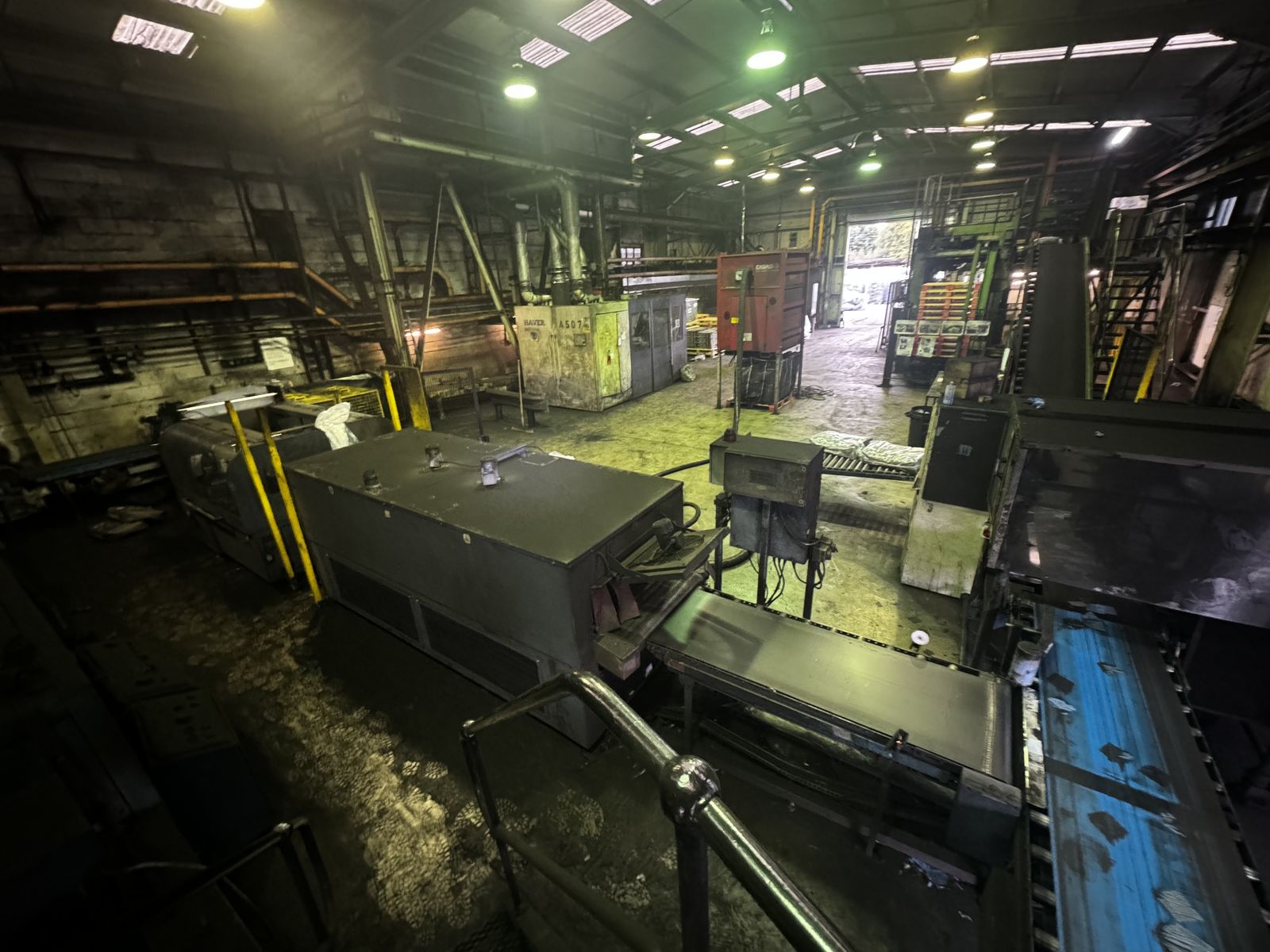
They worked – in the sense that they produced light. But they had real problems:
- Energy consumption. At 750W per fitting, the lighting load across the warehouse was significant. With lights running for shift hours across the year, the electricity cost was substantial.
- Poor light quality. Sodium lights produce a monochromatic yellow-orange light with a very low colour rendering index. Everything looks the same colour. In a warehouse where operators need to read labels, inspect product quality, and drive forklifts through busy aisles, that’s a genuine safety and quality issue.
- Warm-up time. HPS lamps take 5 to 10 minutes to reach full brightness from a cold start. If the power trips or someone switches them off by mistake, the warehouse goes dark – and stays dark for minutes.
- Maintenance burden. Sodium lamps degrade over time, gradually losing output and shifting colour before eventually failing. Ballasts fail. Ignitors fail. Each replacement means working at height on heavy, hot fittings. The lamps alone are expensive, and the labour to change them at 10 metres adds up.
The Replacement
We replaced the old sodium fittings with 200W LED high bays. The new units are compact, lightweight, and designed for industrial environments – IP65 rated, with finned aluminium heatsinks for passive cooling.
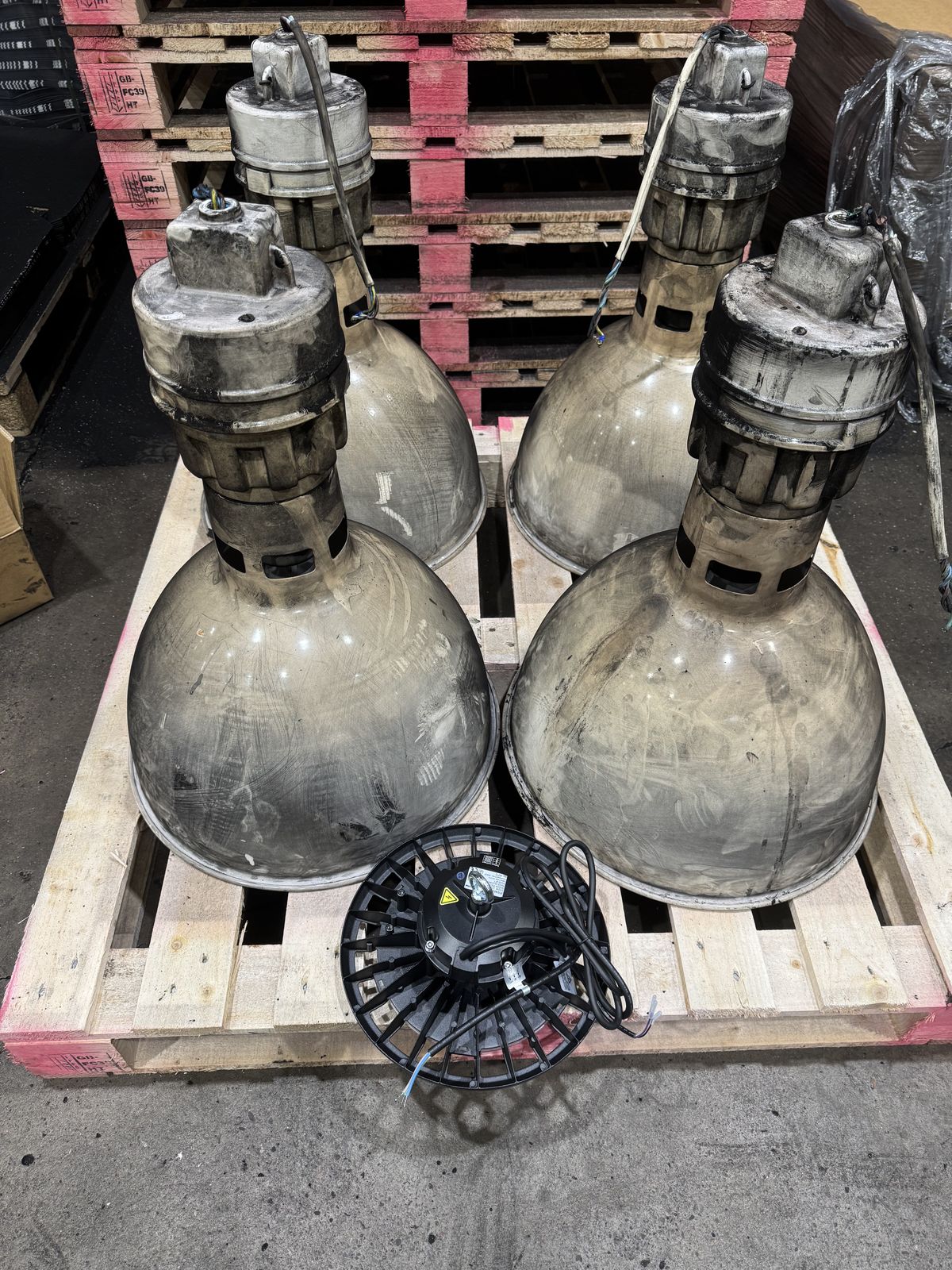
The installation was straightforward. Each old sodium fitting was disconnected and lowered on its chain. The new LED unit was mounted in its place using the existing steelwork – the mounting brackets fit the same suspension points. Wiring was simple: the LED high bays run directly on mains supply with an integrated driver, so there was no need for external ballasts or ignitors. The old control gear was stripped out entirely.
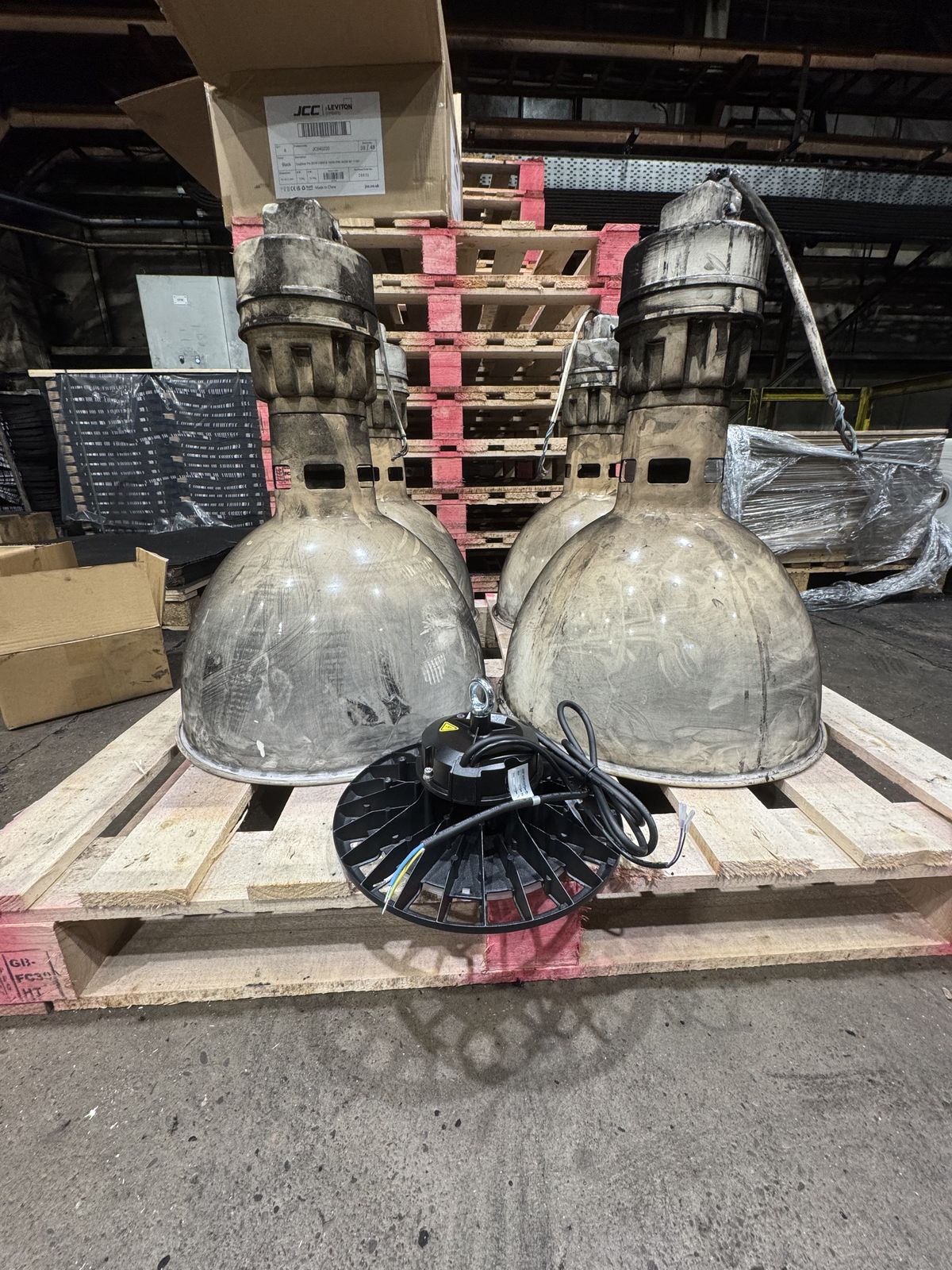
The work was done fitting by fitting during normal production – no shutdown required. We used a scissor lift to access each fixture, swapped it out, tested the circuit, and moved on. The whole warehouse was converted over a matter of days.
The Difference
The change was immediately obvious. Walking into the warehouse after the retrofit, the first thing anyone noticed was the light quality. Where everything had been bathed in yellow sodium light, the warehouse was now evenly lit in clean, bright white. Operators could see colours properly for the first time. Labels were legible. Product quality checks became easier. The forklift drivers said visibility was noticeably better, especially in the deeper aisles between racking.
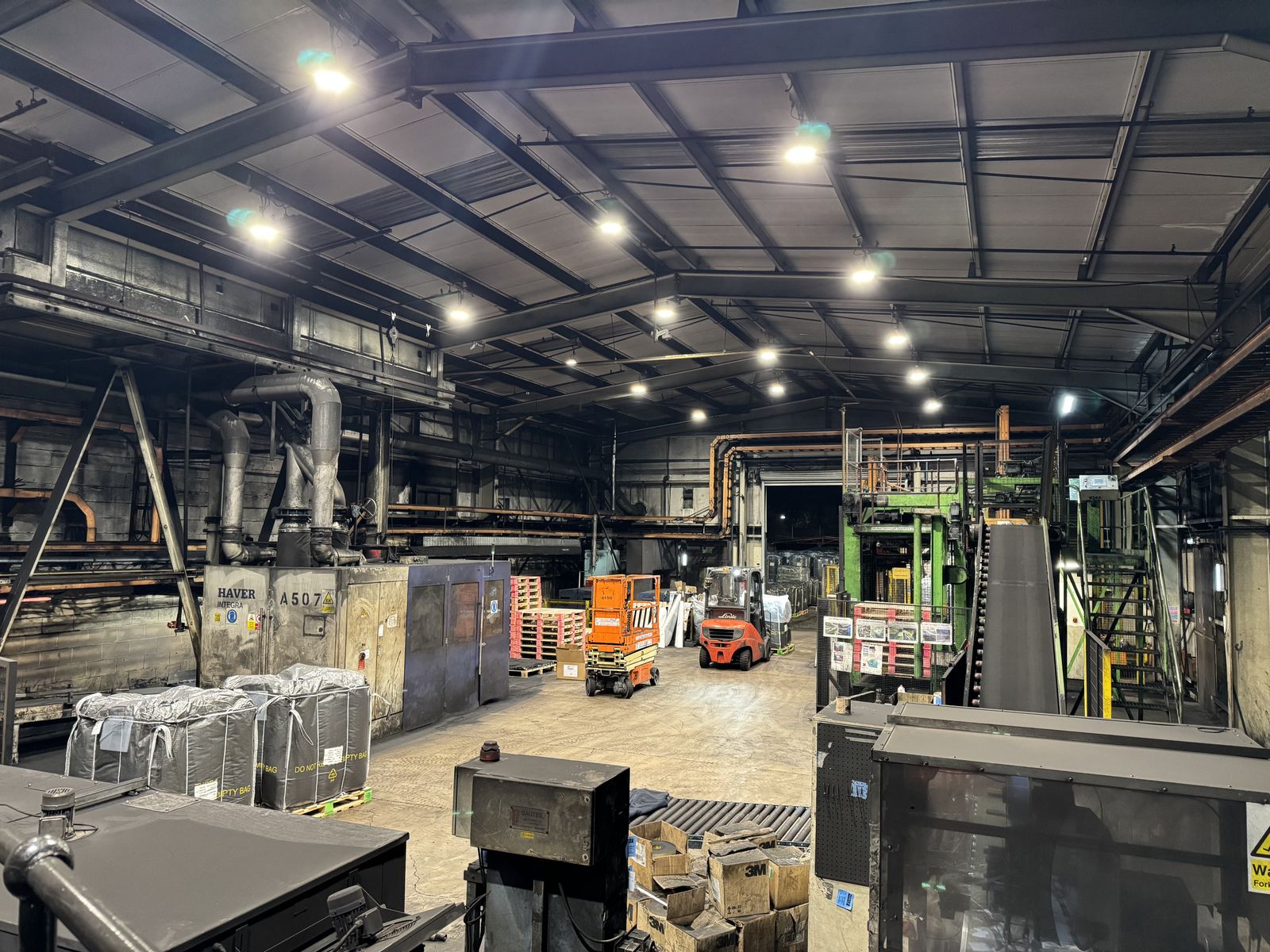
The instant-on capability solved another niggling problem. With sodium lights, if the power tripped or someone hit the wrong switch, the warehouse went dark for up to 10 minutes while the lamps re-struck and warmed up. The LEDs come back at full brightness immediately. In a working warehouse with forklifts moving, that’s not a minor detail – it’s a safety improvement.
The Numbers
The headline figure is simple: 750W down to 200W per fitting. That’s a 73% reduction in wattage at the fixture.
In practice, the overall energy saving on warehouse lighting was approximately 50%. The difference between the 73% wattage reduction and the 50% cost saving comes down to operational patterns – some areas now have lights running on longer schedules because the cost of leaving them on is so much lower, and a few additional fittings were added in areas that had been under-lit with the old setup.
The payback period was under 18 months from energy savings alone – not factoring in the reduced maintenance costs from eliminating lamp and ballast replacements.
Why This Matters
LED retrofits in industrial buildings are not a new idea. The technology has been mature for years, and the financial case is well understood. But a lot of warehouses and factories still have old HPS or metal halide fittings in the roof – often because the conversion hasn’t been prioritised, or because nobody has presented the actual numbers for that specific site.
What made this project work was that it was handled as a practical engineering task, not a lighting sales exercise. We assessed the existing installation, selected appropriate replacements, and carried out the swap ourselves. No subcontractors, no disruption to production, no drawn-out procurement process. The warehouse kept running throughout.
For any industrial site still running on sodium or metal halide lighting, the question isn’t really whether to switch – the economics are clear. It’s who’s going to do it, how quickly, and whether production can continue during the changeover. At Norit, the answer to all three was straightforward.
Still Running on Sodium?
If your warehouse or factory is still lit by high-pressure sodium or metal halide fittings, you’re paying more than you need to for worse light. An LED retrofit typically pays for itself within 12 to 24 months, and the improvement in light quality and safety is immediate.
We do full LED conversion projects for industrial and commercial buildings – from the initial survey and energy calculation through to installation and testing. No disruption, no subcontractors.
Get in touch – contact@engineeringsupport.uk or visit our contact page.